


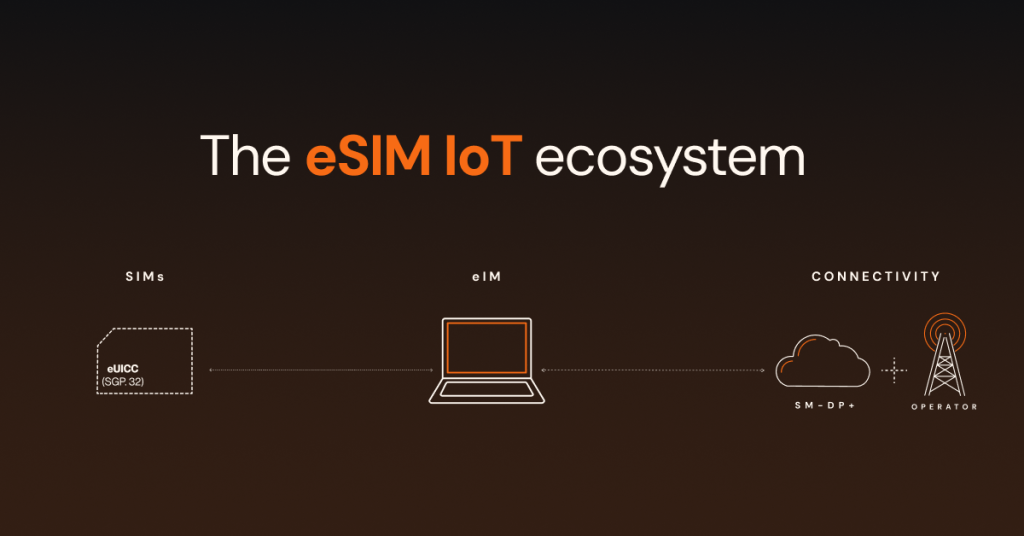
Let’s cut through the chase. The eSIM IoT ecosystem is three components: the SGP.32-ready eUICC SIMs in the form factor of your choice, the eSIM IoT Remote Manager, and the eSIM profiles. In principle, all three of these components should be interchangeable, i.e., you should be able to change any of these at any point without affecting the functionality of your solution.
So, when you enter the eSIM IoT market, here’s what you actually need – and from whom.
1. The SIMs
To run an SGP.32 solution, you will need to buy SGP.32-ready, eUICC SIMs. It’s important that these SIM cards are SGP.32-ready, to avoid SGP.22 workarounds you haven’t chosen to implement that may limit the future-proofing benefits of eSIM IoT.
Now the form factor – the physical form of the SIM – is completely up to you. As we covered in the theory section, an embedded chip is not necessary for SGP.32 but it is a popular form factor, since it saves space and physical interactions with the device. However, an eSIM IoT solution and an eUICC can run on any form factor – from the traditional plastic card to the smallest embedded chip available (MFF4).
One decision to make before purchasing your SIM card: As the market is now, the IPA, the IoT profile assistant, is often embedded in the eUICC (IPAe) and runs on the SIM card. The alternative is that the IPA runs directly on your device’s modem (IPAd).
An IPAe is a less complex solution, as you don’t have to program anything on the device, but may come with eSIM IoT Remote Manager and potentially profile attachments, ergo with less control. An IPAd ensures complete control of the solution but requires engineering resources and some additional lines of code running on the device. There’s no blanket better or worse solution; it depends on how you weigh the complexity-control tradeoff.
Who provides SIMs for SGP.32?
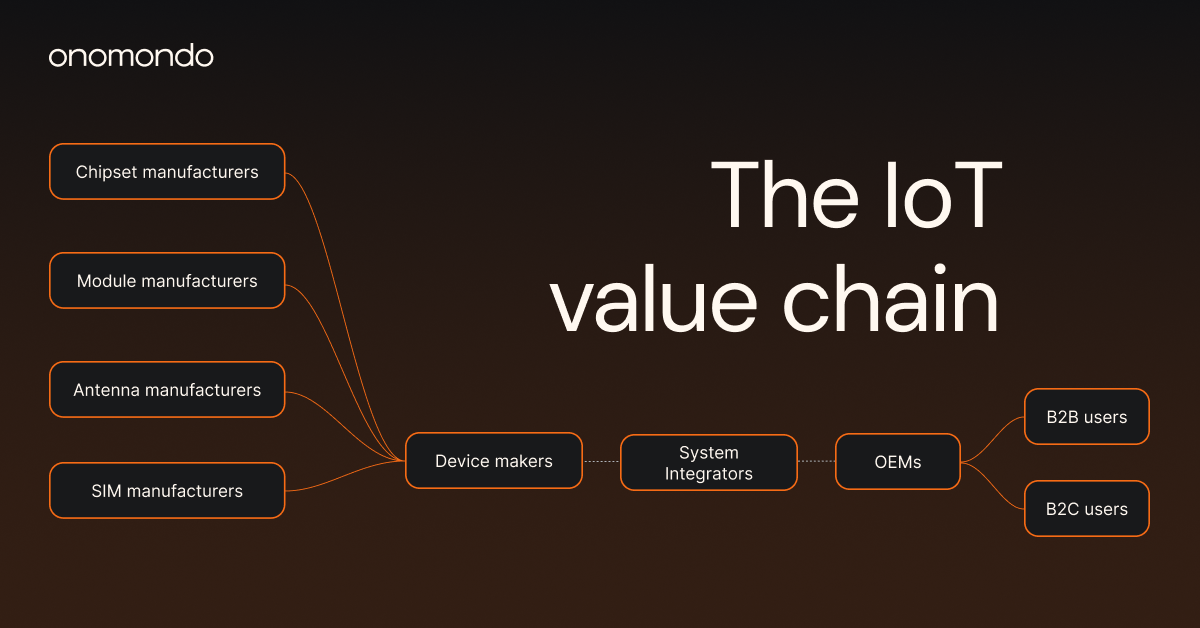
SIM manufacturers, eSIM IoT Remote Manager providers (SIMs come attached to the eSIM IoT Remote Manager), connectivity providers (SIMs may also come attached with the eSIM IoT Remote Manager). If you buy a complete device, the SIMs may also come as part of it; so in this scenario, the device maker or OEM provides the SIM.
2. The eSIM IoT Remote Manager
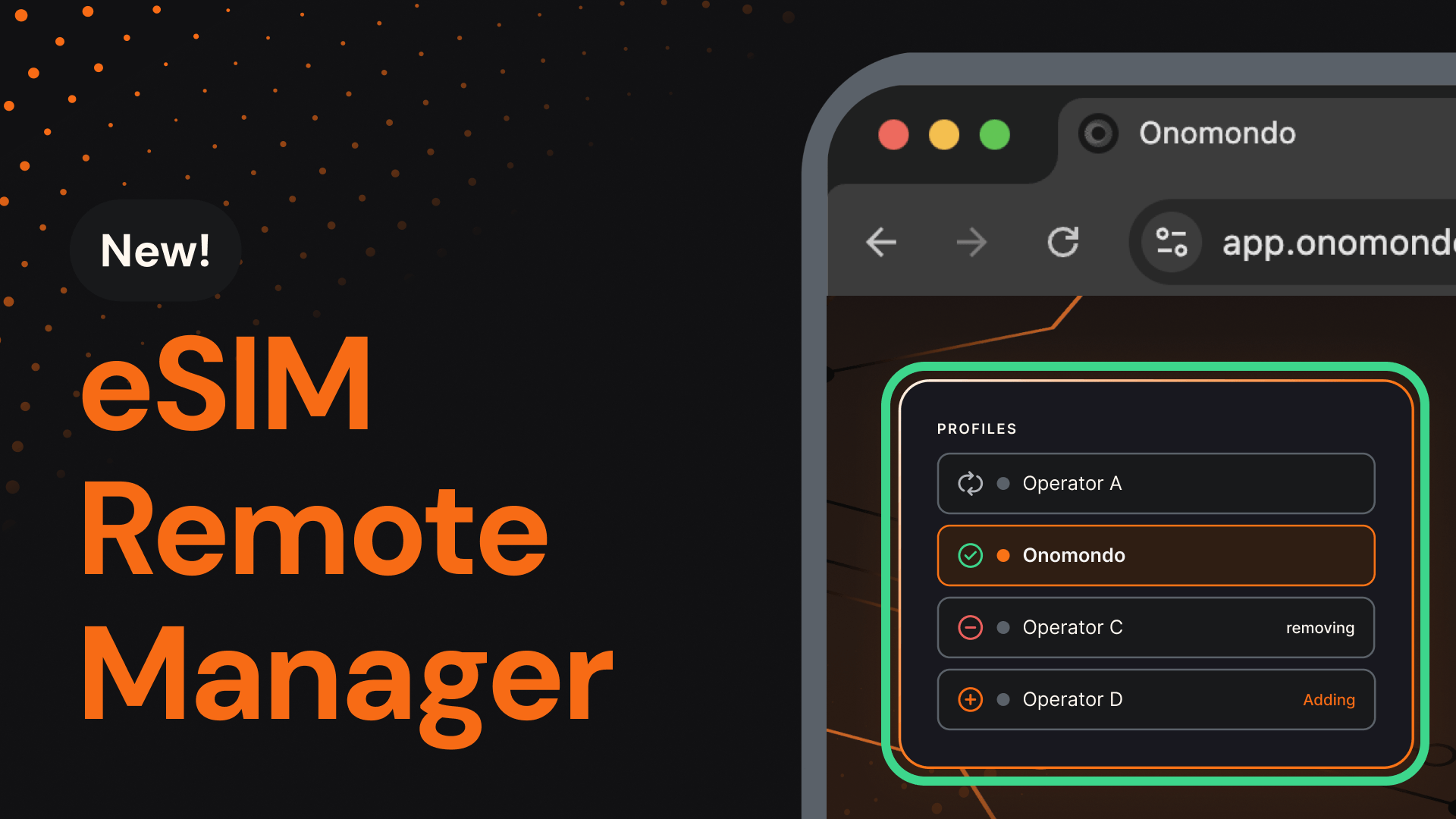
The eSIM IoT Manager is the eSIM management platform. It serves as the control panel to swap profiles remotely on your newly purchased SIMs. The eSIM IoT Remote Manager is functionally a simple tool that executes a determined number of commands, mandatory for profile management (enable, disable, download profiles) and optional for eSIM IoT Remote Manager management (add, delete, update list eSIM IoT Remote Managers). The job of the eSIM IoT Remote Manager is to pass on these commands from you to the eUICC(s) of your choice – the job of the IPA is to receive them from the eSIM IoT Remote Manager.
The reason IPA is mentioned now is because the IPA –in particular, IPAe– often comes preprogrammed to communicate with one eSIM IoT Remote Manager. If that initial eSIM IoT Remote Manager is configurable, i.e., can execute eSIM IoT Remote Manager management commands, then there’s no issue. But if the initial eSIM IoT Remote Manager is not configurable, i.e., you cannot add another eSIM IoT Remote Manager, then you are locked in to that eSIM IoT Remote Manager for the lifetime of the device. This is how vendor lock-in moves in eSIM IoT: from the connectivity providers to the eSIM IoT Remote Manager/SIM, ergo IPAe provider.
Who provides the eSIM IoT Remote Manager?
SIM manufacturers, connectivity providers as a bundle with their main product offer (SIMs or connectivity respectively); as a standalone product, connectivity infrastructure providers.
Navigate the SGP.32 market with confidence
Over 90 pages with a single goal: to level the playing field with eSIM IoT vendors. Our complete eSIM IoT buyer’s guide is your SGP.32 map from exploration to procurement.
3. eSIM profiles + connectivity plan
This is the part you already know – it’s the actual data connectivity, the same thing you’ve always bought from a network operator. A profile is an operator’s subscription sitting on the eUICC, and the connectivity plan is the commercial terms behind it: coverage, data, rates. Functionally, nothing new here; this is the familiar piece of the ecosystem.
The one thing to watch is availability across eSIM IoT Remote Managers. In principle a profile should download to any eUICC via any eSIM IoT Remote Manager – in practice, not every profile has been tested and confirmed as available on every eSIM IoT Remote Manager. Connectivity profiles that have been tested to be interchangeable ensure that you can indeed bring any connectivity at any point and for whatever reason.
Who provides eSIM connectivity and profiles?
Connectivity providers/MNOs/MVNOs.
Components bought – what next?
Now that you know what you need and from whom, the next question is how to deploy your SGP.32-equipped fleet. There are a few ways to deploy eSIM IoT and several options on how to provision the initial profile too. Read more in our article How to deploy eSIM IoT and decide what’s best for your fleet.