

3Bee XNatura: Technology and connectivity in the service of nature
A biodiversity company with the trajectory of a tech rocketship and the heart of an NGO. This is 3bee, the leading naturetech company specializing in biodiversity monitoring via an integrated platform for reporting on biodiversity, climate, and nature. 3bee is enhancing their sensors with stable connectivity from Onomondo.
"Onomondo stood out due to its cost competitiveness, which is vital when scaling IoT fleets. We definitely see these benefits, particularly in the medium term. The combination of competitive pricing and the ability to streamline management through your platform helps us reduce operational overhead as we scale the number of deployed devices."
Marco CrociA biodiversity company with the trajectory of a tech rocketship and the heart of an NGO. This is 3bee, the brainchild of Niccolò Calandri, Ph.D., an electrical engineer, and Riccardo Balzaretti, Ph.D., a biologist, a biodiversity monitoring company that distills robust biodiversity data into a powerful dashboard.
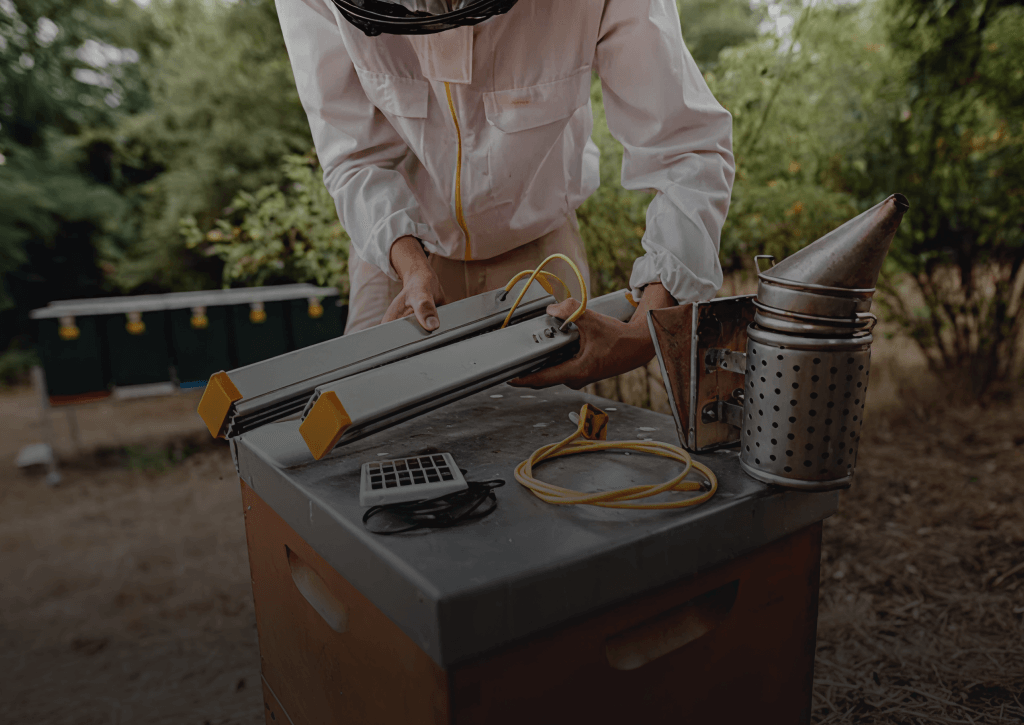
3Bee started in 2016 as a pollinator monitoring company, developing technology to track and understand the health of bee colonies through IoT sensors that measured weight, temperature, humidity, and sound intensity in hives. Since then, the company has evolved to incorporate the full range of biodiversity, building a whole range of technologies for environmental monitoring of flora and fauna.
These innovations now feed into their XNatura platform, enabling the monitoring of pollinators, birdlife, mammals, local flora, and more. Edoardo Ferrarese, BD & Partnerships at 3Bee and Xnatura, explains that 3Bee continues to evolve while keeping its core values intact: science and technology, always in service of nature.
Biodiversity impact from deliberate innovation
Their mission needs no introduction. Biodiversity, the variety of life on Earth, from genes to ecosystems, is declining at an alarming rate. One million species face extinction in the coming decades and 75% of the world’s crops depend on pollinators. Conservation means protecting and restoring this web of life, ensuring ecosystems can thrive and continue supporting both wildlife and human communities. Getting your heart set on this mission is instant. What merits a longer explanation is 3Bee’s technical sophistication and mature approach to solving these challenges.
All data is distilled in XNatura, their proprietary platform that serves as the technological backbone of their biodiversity work. As Virginia Castellucci, Head of sustainability 3Bee and XNatura, explains:
“We’ve built a proprietary dashboard that acts as a central hub, aggregating data from both our own in-house sensors and third-party commercial hardware that we’ve integrated into our ecosystem.”
Their approach to hardware is even more impressive. The team has the technical maturity to discern when a project works with existing solutions and when a project requires custom hardware. When that’s the case, 3bee will develop the right hardware. It’s a hybrid approach that puts the requirements of each use case front and center.
“The decision to keep specific developments in-house comes down to our core philosophy: creating real impact. We didn’t want to renounce the ability to develop our own technology because that ownership is exactly what allows us to push the boundaries of innovation. It gives us the flexibility to solve unique technical challenges that ready-made devices simply can’t address.”
“Biodiversity doesn’t wait for a connection”
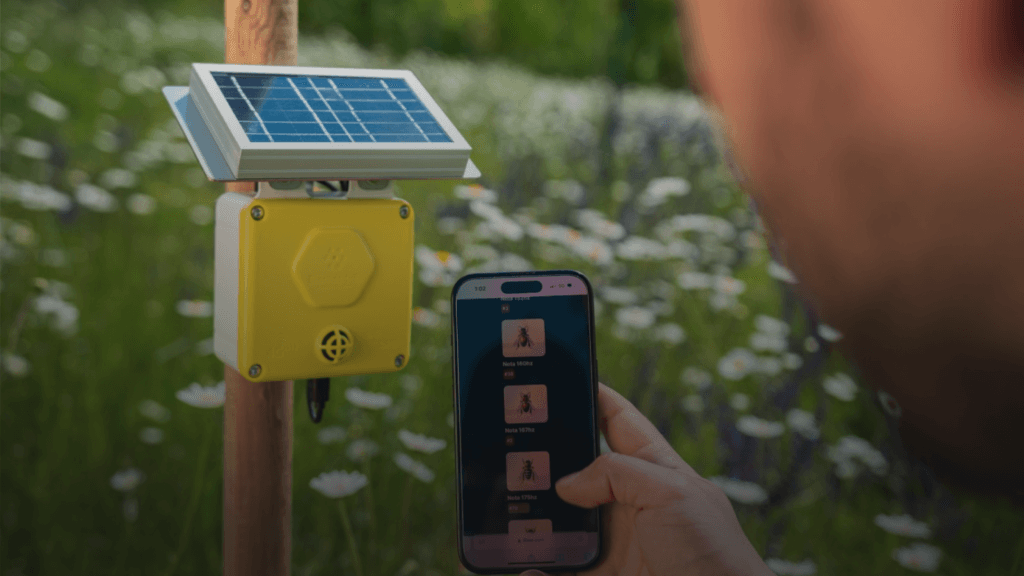
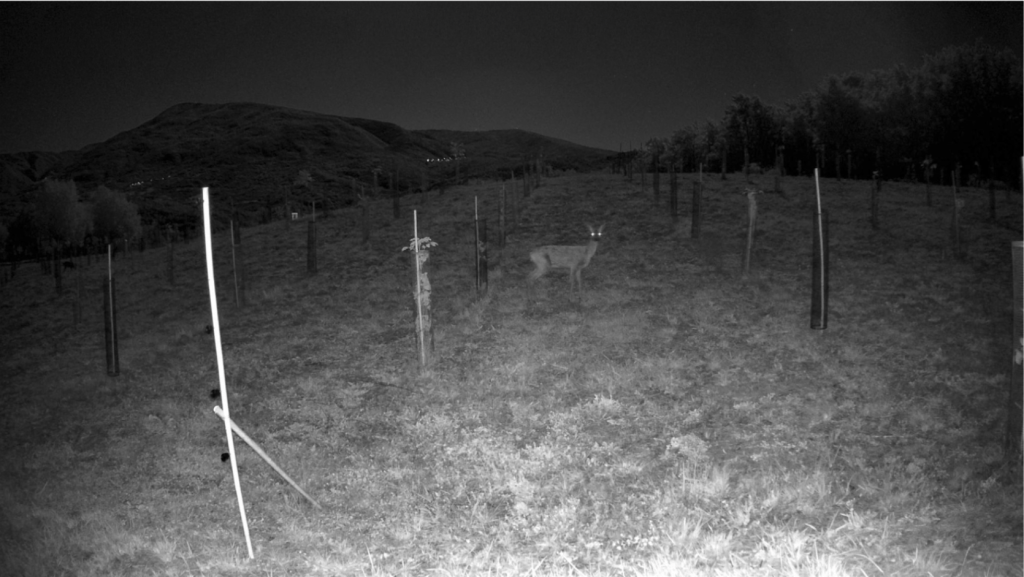
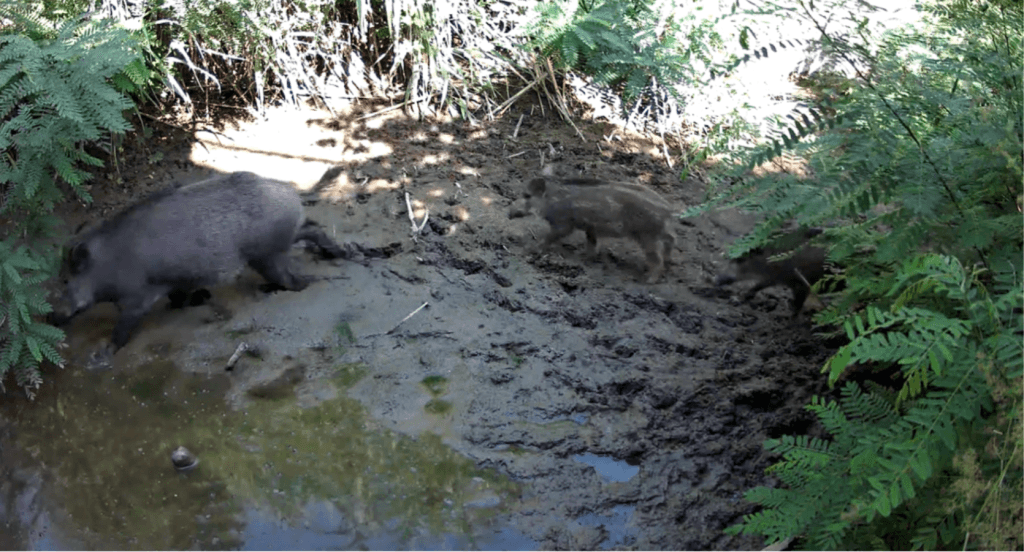
3bee’s devices monitor everything from pollinator activity through acoustic sensors to wildlife movement via cameras, and revegetation health through various measurement tools. The data from the sensors feeds continuously into each customer’s view of the XNatura dashboard. Customers can access all the real-time and aggregated data they need to inform sustainability reports, monitor progress toward environmental targets, or simply enjoy a wholesome moment listening to recordings of bird sounds and seeing the identified species captured in their oasis.
This entire system presupposes constant, unyielding connectivity. Nature doesn’t stop regenerating just because a connection drops. If connectivity fails, customers miss critical biodiversity data that could compromise compliance requirements – or the world misses on a video of a wild boar and her baby frolicking in a pond!
Data gaps in biodiversity monitoring however have practical implications. Incomplete data, caused by intermittent connectivity or otherwise, can compromise compliance and data integrity. And the longer sensors stay without connectivity, the less accurate the data picture becomes. As Marco Croci, Lead Software Engineer at 3Bee and XNatura,puts it:
“Biodiversity doesn’t wait for a connection. Operating in remote rural areas means signal can be spotty; reliable connectivity ensures we don’t have data gaps that could compromise the statistical integrity of our biodiversity indexes. It allows for real-time consistency checks, letting us know immediately if a sensor needs attention.”
Always-on monitoring; always-on connectivity
After years of multiple biodiversity monitoring projects developed over the years, 3Bee knows exactly what they need from connectivity. They have the experience to draw a clear line between the must-haves and the non-negotiables. When deploying their two latest projects, Spectrum, a pollinator analyzer based on a proprietary device, and wildlife monitoring via outdoor cameras, 3Bee went on the lookout for connectivity solutions. That’s when 3bee met Onomondo.
Both projects involve always-on sensors that send nature data into 3Bee’s cloud via LTE for processing, before the results are visualized on XNatura. With these projects in mind, 3Bee carved out their must-haves: stable LTE connectivity to avoid data gaps and optimal power consumption.
Marco explains what prompted them to secure a robust connectivity infrastructure:
“Since these devices often operate in remote, off-grid locations, we had two main non-negotiables. First, stable LTE connectivity was essential to ensure continuous data transmission without gaps. Second, power consumption had to be highly efficient, allowing the devices to be fully sustainable and manageable using only small solar panels.”
3bee entered the conversation, with the full scale of the projects always in mind but also with full awareness of how to get there. A solid foundation first -connectivity included- and building up and up on solid grounds.
“We aim to scale our existing products, deploying more and more Spectrum units and cameras to cover wider biodiversity areas. On the other hand, we want to leverage this solid connectivity infrastructure to develop and launch entirely new monitoring solutions, continuing to innovate for nature.”
Connectivity infrastructure for boundless regeneration
With scaling firmly in mind, 3Bee quickly saw the benefits in choosing Onomondo. Marco explains:
“Initially, Onomondo stood out due to its cost competitiveness, which is vital when scaling IoT fleets. We definitely see these benefits, particularly in the medium term. The combination of competitive pricing and the ability to streamline management through your platform helps us reduce operational overhead as we scale the number of deployed devices.”
However, as the conversation progressed and the due diligence was checked off, 3Bee got to know Onomondo more deeply. That’s when the operational benefits of Onomondo’s connectivity infrastructure stood out. Marco shares what sealed the decision beyond the initial hook:
“The decision to lock things down came from the technical advantages. We use the API to automate data management, specifically for provisioning and real-time status monitoring without manual intervention. We really valued the ability to automate processes via API and the transparency provided by accessing real-time traffic logs. This level of visibility and control allows us to debug and manage the fleet much more effectively than with traditional carriers.”
When it comes to connectivity agency and troubleshooting, the “before and after” comparison is one of our favorite things to hear from our customers. So we asked 3bee how troubleshooting was before Onomondo and after – Marco’s response was music.
“Before Onomondo, we had to rely on traditional carrier support, which was much slower and more complex. The traffic logs are a game-changer for us. They are essential for troubleshooting malfunctions in critical areas and for ensuring secure OTA (Over-the-Air) firmware upgrades. For instance, if an upgrade hangs, the logs allow us to pinpoint exactly where the data transmission failed. Now, we have the autonomy to resolve issues in minutes, significantly improving our service reliability.”
Technology in the service of nature
As connectivity concerns faded into the background, the full-scale of the projects became more rapidly attainable. The team freed up mental space and time to continue innovating for the future.
Technology with a purpose is at the heart of Onomondo too. That’s why we see companies like 3bee as peers rather than customers; a community of passionate problem-solvers working toward improving a slice of the world. What’s even more encouraging to see is the impact of this conviction. From SMEs to large multinational companies like Leonardo, DHL, and Generali, to natural parks across Europe, 3Bee has built an impressive roster of clients who choose their technological and scientific excellence, share their deep commitment to nature, and trust their understanding of biodiversity conservation.
With this as their north star, 3Bee is set for an even brighter future – one with more biodiversity, more restored habitats, and more species returning to their natural homes. We at Onomondo pledge that 3Bee will never have to think about connectivity again and the team can focus on realizing their vision. We also quietly admit that we will be visiting their website every week to see the latest wildlife video snippets their cameras capture.
Creating better connectivity
for every thing.
