

Framery’s high-tech office solutions define what it means to scale IoT connectivity
Framery, the pioneer of smart office solutions, built its connected products on cellular for a true plug-and-play experience – then migrated its already-deployed fleet to Onomondo with SoftSIM, unlocking cost savings and full network visibility.

"I liked Onomondo’s tech-savvy approach to IoT connectivity. The service is built the way I'd imagined it should be built, and it seemed like a great match for our use case. The pricing model made sense, too. And it's been very easy to work with the Onomondo team. They talk about things directly, as they are."
Veikko LindbergAbout Framery: high tech that happens to look like furniture
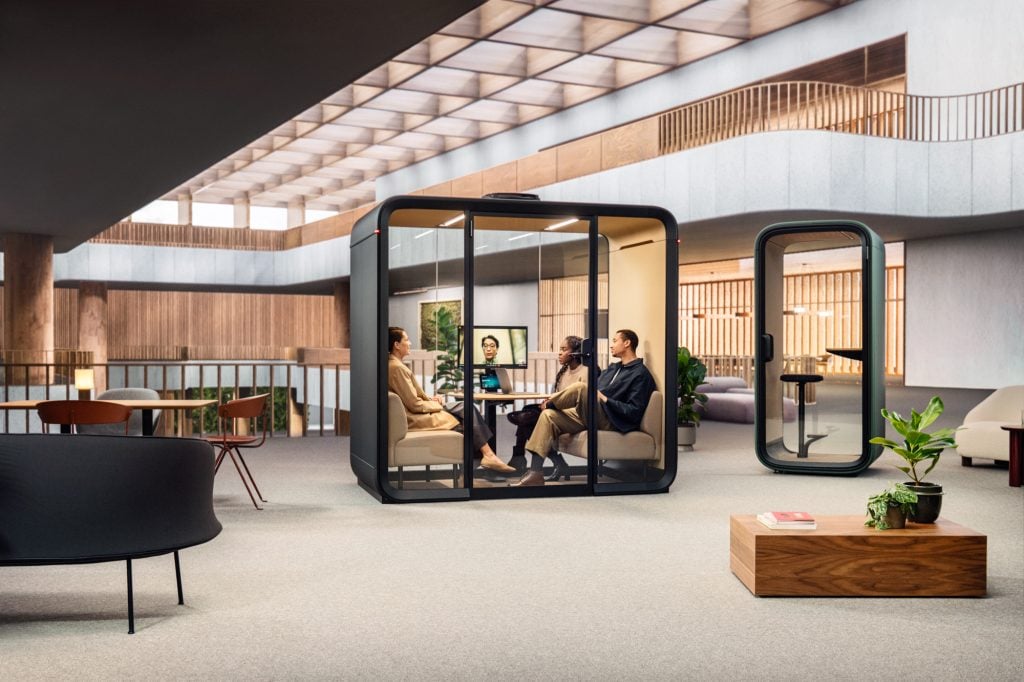
A Framery pod may look like high-design office equipment, but it’s actually high tech. Framery is globally known as the pioneer of soundproof meeting pods, but the company at its core provides smart office solutions – pods, sensors, and software that solve two problems at once: making the use of office space as efficient as possible and making the experience of being in an office better.
Their sustainable, customizable pods can be found in office spaces of global brands, including H&M, McDonald’s, Postmates, LinkedIn, General Electric, and L’Oréal. Around the pods sits Framery Connect, a workplace management platform with booking and availability software that draws on real usage data from the spaces themselves.
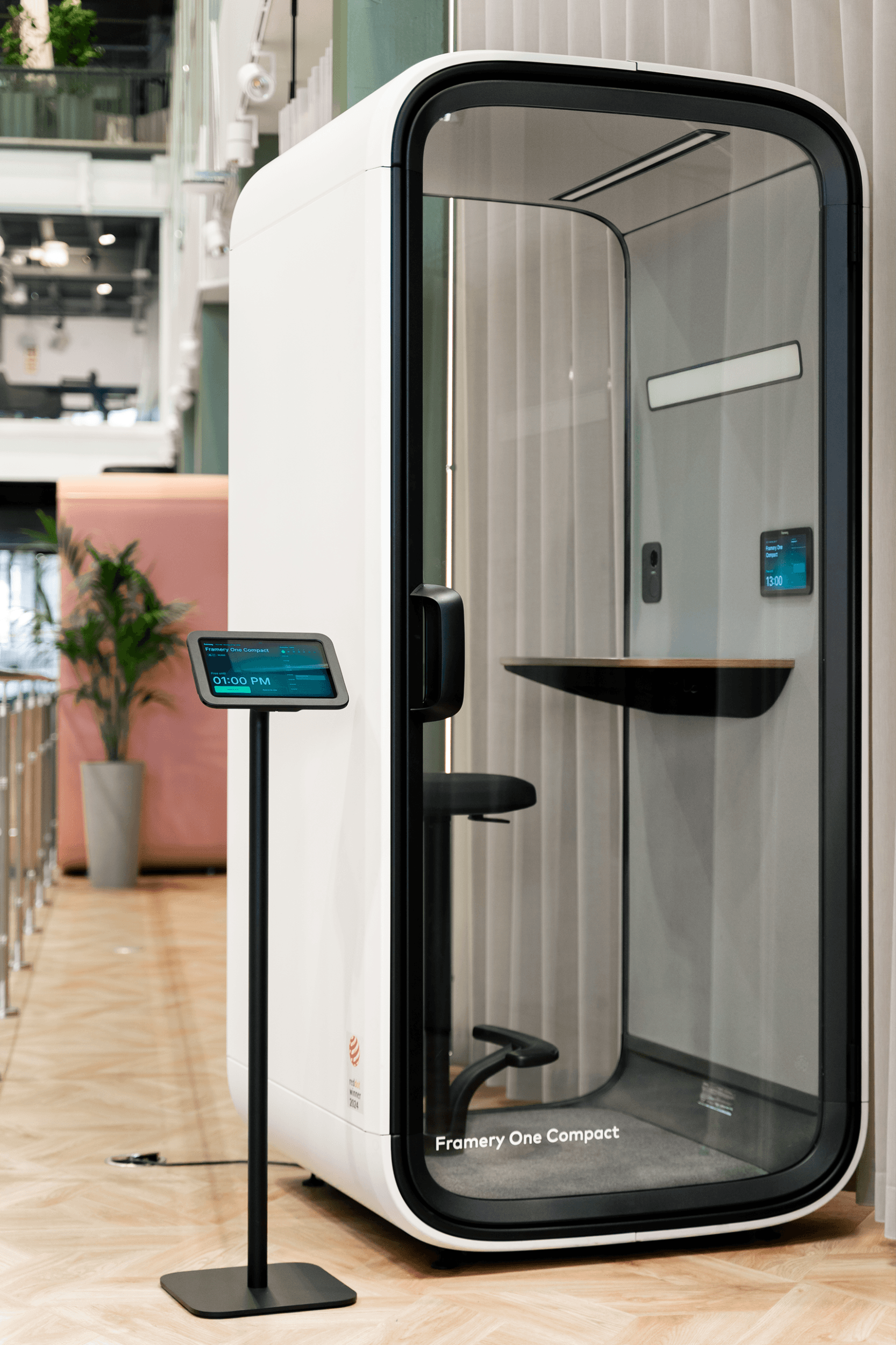
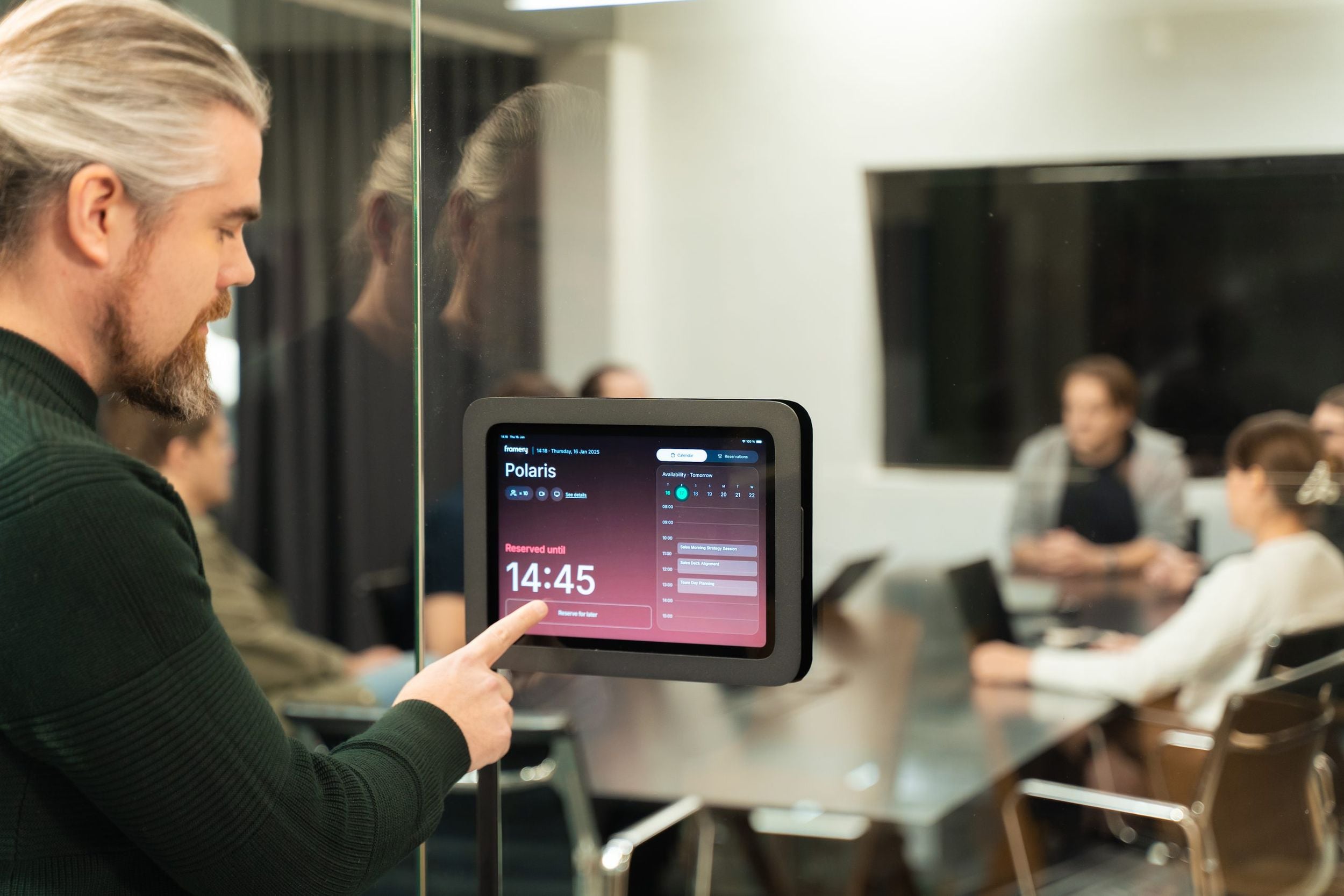
What makes Framery high-tech is the product development approach that is on par with the most successful tech products in the world: User experience sits at the very front and center. Even though Framery got into the office pod space first, they never settled for being first – they always strive to be the best. Whether it’s getting the balance of soundproofing and ventilation right or making booking a pod a seamless, seconds-long experience, what Framery bets on is the quality of its product line. And, as it turns out, cellular connectivity is a key part of getting there.
Cellular for a stationary product?
Framery’s connected devices are static. A pod or a sensor are installed once at the office and stay in the same environment. So most companies in Framery’s position would reach for the obvious answer: Wi-Fi. Framery makes the case for cellular connectivity instead, and the reasoning comes back to optimal customer experience. Veikko Lindberg, Software Engineering Director at Framery explains:
“We wanted to make it as easy as possible for customers to put the system into use. Users shouldn’t have to set up Wi-Fi or think about how connectivity will work. It just works out of the box. You plug it in, it’s ready.”
The logic becomes obvious once you know who’s actually unboxing the pod.
“The people who buy our products usually aren’t part of the IT organization; they’re the office team, the people who take care of the desks, meeting rooms, and pods. Connecting to Wi-Fi often requires IT approval, so cellular connectivity takes that friction away. That’s been our approach all along: make it as simple as possible for the user to get started.”
A connectivity redo: cellular that scales
The road to cellular simplicity wasn’t without bumps. When Framery first launched its connected product line on cellular connectivity, it ran into a few obstacles with its first provider: billing processes built around the provider rather than the customer, rigid SIM provisioning dependent on geographies, and the need to adapt Framery’s own processes to fit how the provider operated.
“Our first connectivity provider built their processes around how they wanted to handle their own billing, which, from our perspective, is a backwards way of thinking about it. It made sense for them, but it added friction for us.
We had to configure the SIM cards based on where the device was going, and when we manufacture a device and install the SIM, we don’t yet know where it will end up. So we ended up building all kinds of bubblegum fixes to match their way of operating. That took focus away from what really matters: delivering value to our customers.”
This time spent on managing their connectivity provider prompted Framery to venture a connectivity redo. This time, the requirements were clear and well defined:
- Global coverage
- Connection to the local cellular network wherever the device is turned on
- Predictable costs
- Good debugging tools for when something isn’t working as it should
That’s when Framery crossed paths with Onomondo. Beyond Onomondo meeting every requirement on the list, Veikko points to one more thing that made the relationship click.
“I liked Onomondo’s tech-savvy approach to IoT connectivity. The service is built the way I’d imagined it should be built, and it seemed like a great match for our use case. The pricing model made sense, too. And it’s been very easy to work with the Onomondo team. They have a great ‘no BS’ approach: they talk about things directly, as they are.”
A provider migration made possible with SoftSIM
After a period of running both connectivity providers side by side, Framery made the bold move to break out of an otherwise locked-in setup and migrate its existing devices onto Onomondo’s network.
Change at this scale isn’t a small decision; there’s real uncertainty involved but Framery didn’t compromise. While seemingly bold and brave, the connectivity redo was a perfectly rational call as Veikko describes. The pain of staying with the old provider had simply grown bigger than the uncertainty of moving.
“A network migration is not a trivial thing, and of course it takes time and effort to make it happen. But the biggest factor was cost. We were already using Onomondo in parallel, so we trusted the service, we knew the pricing made sense, and we could see that migrating would bring quite significant cost savings. At the same time, we had issues with the previous provider operating in a black-box manner. Debugging problems was painful; we couldn’t really see what was going on, compared to what we have with Onomondo.”
So the decision was strategic: rational, with clearly outlined benefits. But how do you do it tactically for a fleet of thousands? With physical SIMs, there are ostensibly two options, and only one of them is remotely realistic:
- Swap the SIMs physically. Technically possible but doing it across a fleet of pods already installed in customers’ offices around the world is a costly logistics nightmare, not to mention a disruption to the user experience. Shockingly, this is the most realistic option.
- Have the old provider hand over the SIM keys so the SIMs can be migrated to the new provider. This is the one option out of the two that would sound more realistic – but the security risk for many providers is prohibiting.
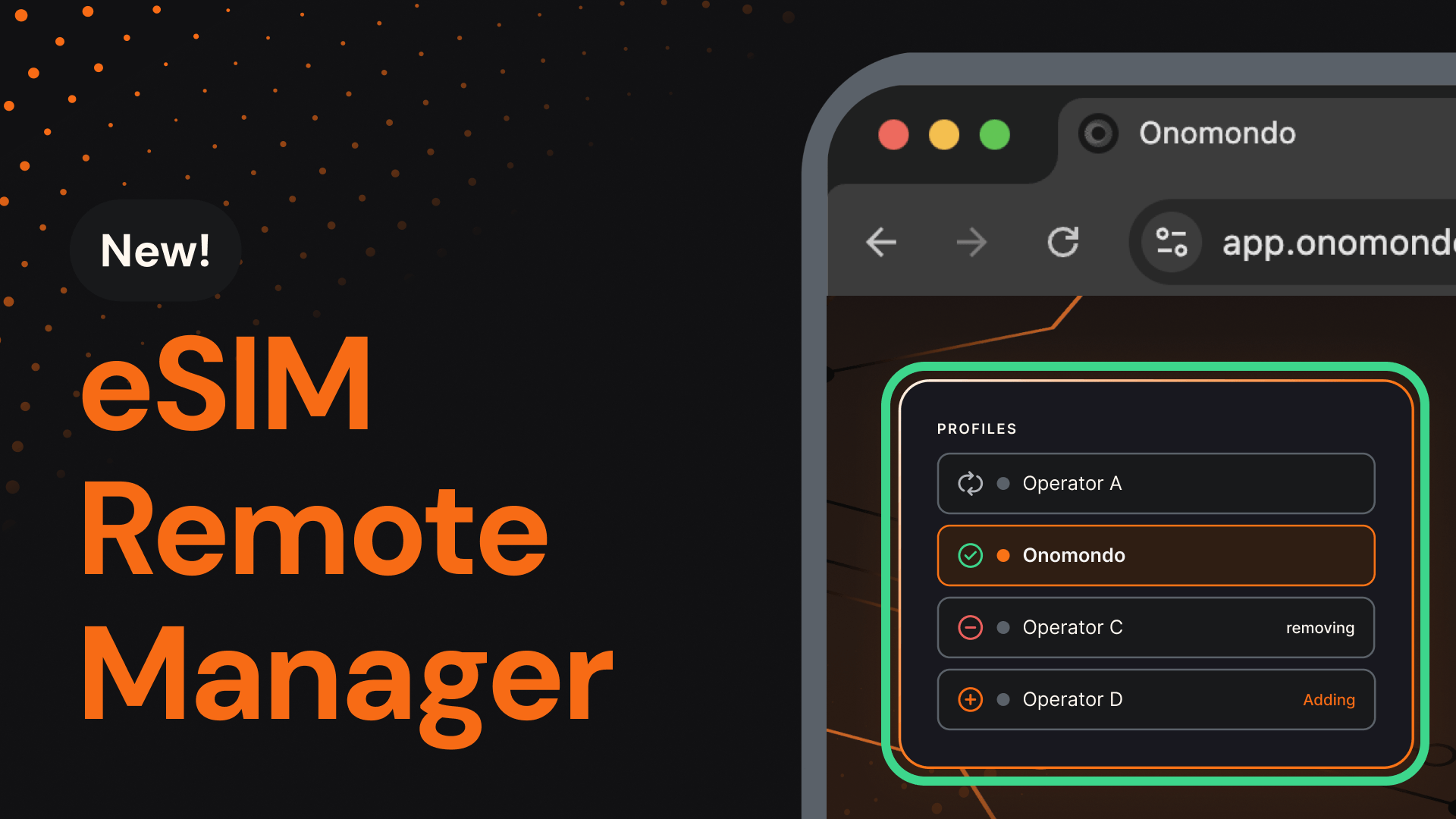
But let’s roll back a bit: that’s the situation with physical SIM form factors. And then there’s SoftSIM. A 100% software SIM with no chips required – just module compatibility. After confirming the modem was compatible with SoftSIM, the migration kicked off – with almost no involvement from Onomondo. The migration rolled out in a controlled way starting with the devices on Framery’s own premises.
To validate Veikko’s characterization of a no BS-Onomondo approach: a SoftSIM migration isn’t something that happens with the flick of a switch – it is a special endeavor with special conditions and the update path requires engineering. But Framery’s high-tech solution has the special computing power and hardware compatibility to migrate its already-deployed pods to Onomondo’s network with SoftSIM. Today, some thousand devices have been migrated already and the fleet is running on SoftSIMs.
Better with a redo?
Now that Framery is fully on Onomondo, the answer is a clear yes. Veikko says the team is able to enjoy all the benefits they were hoping for, and that having everything in one platform simplifies things considerably. Asked whether one thing stands out as the takeaway benefit, Veikko elaborates:
“The debugging capabilities are much better. I didn’t even know this level of visibility was an option. Onomondo is very open this way and gives us the same network visibility they have. I really like that open approach.”
Framery – today and tomorrow
Framery grew into an officehold-name surrounded by colossal customers without gimmicks. Veikko points out that the company’s very first customer, one of the biggest social media in the world, found them on the third page of Google results. The secret sauce, he believes, isn’t algorithm tricks, just a great product. (Stitch incoming: we also wholeheartedly believe that’s exactly how it works.)
So what’s next for Framery? With robust connectivity infrastructure in place and a reliable, predictable supply chain tailored for the company’s efficiency, Framery’s growth is on a self-propelling upward spiral and the company can comfortably accommodate the volumes the largest customers demand.
At this stage of scale, Framery has the volume to start working with bigger data rather than looking into individual devices one by one. The technical focus now is on fleet-level data visibility, visualization, and analysis. And for customers, the goal is a) to give them clear visibility into how their office space is actually being used, and b) to help people find an available place when they need one.
On the product side, Framery is expanding its connected device line-up, introducing the Framery Room Sensor for space usage data, and continuing to build the tools and solutions that keep spaces connected. Which fits Framery’s core approach: the best engineering is the kind nobody notices. Plug it in and it just works. It just also happens to look gorgeous.
Creating better connectivity
for every thing.
